ShrimpTempura

  • Subscribe to our RSS feed.
  • Twitter
  • StumbleUpon
  • Reddit
  • Facebook
  • Digg
Showing posts with label health. Show all posts

Friday, 6 September 2013

Why Are You Fat?

Posted on 00:00 by Unknown
According to the CDC, about 36% of U.S. adults are obese and as of 2010, about 23% of the people in Massachusetts are considered obese. Their definition of obesity is based on the Body Mass Index (BMI), though they acknowledge that is not a fully accurate way of assessing individuals, such as athletes. These obesity figures do not include those people who are only overweight, though that would raise the percentage significantly of those Americans who weigh too much.

Each year, these figures continue to increase but why is that so? Why are so many putting on extra pounds? We think we understand the reasons but is that really the case? Could we be looking at all of this in the wrong way? That might very well be the case.

Scientific American recently published a special Food Issue (September 2013), which contains nine fascinating articles about food related issues, from How (and Why) To Eat Invasive Species by Chef Bun Lai to The First Cookout, an interview with Richard Wrangham. Two of the articles dealt with issues of weight gain, offering interesting takes on what is often considered "common knowledge." We need to start looking at some of our treasured beliefs, to reassess what we think, and hopefully find a better path to weight loss.

The first thing we need to do is to reconsider the calorie, understanding that the calorie counts on food labels are not accurate indicators of the amount of calories an individual will receive. Rob Dunn, a biologist at North Carolina State University, penned an article, Everything You Know About Calories Is Wrong, explaining the problems of calorie counts. Calorie determination is based on a 19th century system that uses averages, ignoring numerous important factors such as the effects of digestion and cooking.

Dunn states: "To accurately calculate the total calories that someone gets out of a given food, you would have to take into account a dizzying array of factors, including whether that food has evolved to survive digestion; how boiling, baking, microwaving or flambeing a food changes its structure and chemistry; how much energy the body expends to break down different kinds of food; and the extent to which the billions of bacteria in the gut aid human digestion and, conversely, steal some calories for themselves." (p.58) What that means is that two individuals, eating the same amount of calories, will not incur the same amount of calories, so that one person might lose weight while the other might not.

For example, cooking food allows a person to obtain more of the calories in that food than you would if the food was raw. So if two people consumed 2000 calories of food, and one person cooked all his food while the other ate all his raw, the person with the raw food would actually take in less calories. The type of food matters as well. For example, nuts generally are less completely digested than some other foods, meaning you get less calories from them. In addition, each individual is different in their biological make-up, meaning they will take in more or less calories than another person.

What that all means is that a diet that merely counts calories is overly simplistic and potentially doomed to failure. It would explain the frustration some dieters have when seeing others lose weight, on similar amounts of calories, which they can't seem to lose. People need more education about calories, to understand that label calorie counts are probably closer to suggestions than actual facts. At best, those calorie counts might stand as a potential maximum amount that can be derived.

All this discussion of calories though is based on the theory that weight gain is due to an imbalance between calories consumed and calories expended. In short, if you eat too much, ingest too many calories, or are too sedentary, exercising little, then you will gain weight. Most people accept this as a given, yet it hasn't prevented more and more people each year gaining excess weight nor has it prevented an increase in metabolic disorders like Type 2 Diabetes. Why is that so if we know exactly what causes weight gain?

Gary Taubes, co-founder of the Nutrition Science Initiative, in his article Which One Will Make You Fat?, poses an alternative theory of weight gain. He notes that the calorie theory actually never was based on proper scientific studies, being accepted more as a given. It sounds like a logical theory but even those should receive empirical proof of their validity. Gary offers another potential theory, which he believes deserves to be investigated, and which a few scientists have now started to address in new studies.

Rather than being due to an energy imbalance, weight gain could be instead due to a hormonal defect, with the primary offender being carbohydrates. The science is interesting. The carbohydrate glucose causes the pancreas to secrete insulin, to prevent glucose levels from being too high. The insulin causes some of that glucose to be stored as fat for some future use, which means that if insulin levels remain high, then you gain more and more fat. By avoiding or limiting carbohydrates, you prevent this fat storage from occurring, and that might be the best way to avoid gaining weight. So worrying about calorie intake might not be as important, as where those calories come from.

More scientific studies are needed to resolve this conundrum, but just the fact that we are questioning "common knowledge," which never actually was proven, is a major step forward. If you are having trouble losing weight, and you believe you are doing everything right, then it is time to reconsider the basis of your beliefs.
Read More
Posted in controversy, diet, food news, health, rant, science | No comments

Friday, 30 August 2013

Seasons 52 Fresh Grill & Wine Bar: Healthy & Wine-centric

Posted on 00:00 by Unknown
Burlington is becoming an attractive destination for restaurant chains, from Capital Grille to Bobby's Burger Palace. In the near future, places such as Bonefish Grill and Del Frisco's Double Eagle Steak House will open there. To me, chains can be a mixed bag, some which are good and others which offer bountiful portions of mediocre food. The latest chain restaurant to open in Burlington, having opened only yesterday, is Seasons 52, a "fresh grill and wine bar." Earlier this week, I attended a pre-opening media dinner and got a sneak peek at what is coming. And then I stopped by yesterday to check out their lunch.

Located on the second floor of the former Borders Book Store, in the Wayside Commons shopping complex, there is ample parking as well as valet service. Seasons 52 currently has about 32 locations, scattered across the country, and emphasizes a seasonal and healthy menu, with no item, from appetizers to entrees, having more than 475 calories. In addition, they have a specially curated wine list, of about 100 selections, with around 60 available by the glass. The healthy concept, with wine, sounds like an interesting concept but is it executed well? Is Seasons 52 one of those mediocre chains or not? In short, they have started out well and show much potential.

Before dinner, I got a tour of the restaurant and it certainly looks nothing like the former Borders. The decor is elegant and sophisticated, almost resembling some of the higher-end steakhouses. It seats around 300 people, including the main dining area, the piano bar, outside patio and four meeting rooms. The bar is good-sized and every night they have a piano playing there, while the four meeting rooms are appropriate for everything from business conferences to wedding parties. We dined in one of the private rooms, the Sonoma Room, and the sound of the piano can still be heard there.

The kitchen is open and there is also a brick oven, which helps them prepare healthier dishes. I've always liked the idea of an open kitchen as I think it is a sign of confidence in the cooks.

There is a private Chef's Table, for roughly eight people, and you can reserve it for a minimum spending amount, varying dependent on the day. If the room is not previously reserved, a group who comes in may luck out andbe  able to sit here. There is a special Chef's Table Menu too for this room.

Near the entrance of the restaurant is their glassed-in Wine Chateau, where they store around 2000 wines. As they lack any basement storage for their wines, the wines are stored in the Chateau as well as throughout the restaurant.

Within the Chateau, they also are infusing organic vodka with oranges, and will create additional infusions in the future. The fruit will sit within the vodka for about a week.

Our hosts for the evening included George Miliotes, Master Sommelier (on the left), Chef Stefan Jarausch, Executive Chef Partner (in the middle), and Sean Wiseman, Managing Partner (on the right). Chef Jarausch, who is German born, most recently worked at Oak Long Bar & Kitchen at Fairmont Copley. They did a fine job of welcoming us to the restaurant, explaining the food and wine during our dinner, and answering all of our questions.

The restaurant is open for both lunch and dinner, with no item has more than 475 calories, making the restaurant a good choice for the weight conscious. One way they help keep calories down is by not using butter at all. They do not even stock butter in their kitchen. Besides their regular menus, they also have special dietary menus including: Lactose-Free, Low Sodium, Gluten-Free, Garlic-Free, Vegetarian and Vegan.

For Lunch, you'll find Flatbreads, Salads, Soft Tacos, Sandwiches, Burgers and Entrees, all priced from around $6-$20. Try a Red Mole Braised Beef Soft Taco with jalapeƱo-lime slaw, guacamole, and pickled red onion ($9.75) or a Grilled Boneless Rainbow Trout with baby carrots, parsley roasted potatoes, & grilled lemon ($16.95). The Dinner Menu omits the sandwiches, burgers & tacos, adding more entrees, topping out price-wise at $26.95. You will also find a number of seasonal specials available with each menu.

Though wine-centric, the restaurant has a complete bar, and carries plenty of beers, liquors and cocktails (roughly priced $11-$14). George Miliotes, their Master Sommelier, has personally selected all of the wines on the list for all of the Seasons 52 restaurants. The wine list has about 100 selections, 60 available by the glass, and about half the list costs $50 or under per bottle. The wine list rarely changes, and George has made long term relationships with a number of the wineries and some wines are even produced just for Seasons 52. George stated that as the restaurant is partially about "discovery," so is the wine list and the staff will gladly let you taste their wines prior to your purchases.

The wine list has some of the usual suspects, but there is some interesting diversity on the list as well. For example, they carry 6 Sparkling Wines, including a Prosecco, Cava and two California wines. Their two Champagnes are actually both from Growers, which is something you don't see too often at restaurants. My only concern with the list is with its pricing. It is seemingly priced on a sliding scale of sorts, with the less expensive wines having the highest markup, which can be 3X+ their usual retail price. If I can buy a wine at my local wine shop for $8-$10, I don't want to pay $34 for it at a restaurant. The higher-end wines more often are priced around 2X their usual retail, making them a better buy.

They offer a special, Flights & Flatbreads, with two flights of three wines, one white and the other red, for $15 and you also get your choice of a Flatbread. There is a third flight, of three red wines, for $20, which also gives you your choice of a Flatbread. You get 2 ounces pours of the three wines, and then you get an additional 6 ounce glass of the wine you want from those three. In essence, you are getting two glasses of wine. At the usual price, the $15 flights might cost you as much as $28 separately, so it is a good value.

Prior to sitting down for our dinner, we sipped some NV Chartogne-Taillet Cuvee Sainte Anne Champagne, a fine Grower Champagne with lots of flavor and character. A delightful melange of fruit, good acidity, a hint of smokiness and mild floral notes. It is also very fairly priced on their wine list. With our bubbly, we enjoyed slices of a couple Flatbreads, including a Trio of Roasted Mushrooms and a Chipotle Shrimp. The Chipotle was made with roasted poblanos, grilled pineapple, feta cheese, shrimp and a spicy chipotle sauce. The flatbreads are thin and crisp, and the ingredients made for a harmonious and tasty blend.

Once we sat, our evening began with an amuse-bouche, a spoonful of Lump Crab, Haas avocado and some pico de gallo. A nice little bite, and the fresh, crisp pico de gallo gave a nice boost to this dish. With this amuse, we enjoyed the 2011 Aveleda Vinho Verde, a Portuguese wine with a pleasant crisp taste of apples and a little effervescence. A simple but refreshing wine, perfect for the summer.

Next up was a Cedar Plank Salmon and Lemongrass Sea Scallop, with carrot, asparagus and a pepper. The scallops were from New England and the salmon was from a farm in Canada, though they stated they use wild salmon in season. The seafood was cooked well, with a nice sear on the scallop and the veggies were crisp. This is the type of light dish which is both tasty and filling. This was paired with the 2010 Mer Soleil Chardonnay, from the Central Coast of California, though the oak influence was too prominent for my own preferences, but others at the dinner enjoyed it.

A Baby Spinach Salad, made with Subarashii Kudamono pears, toasted pine nuts, and crumbled Gorgonzola cheese was lightly topped with a white balsamic vinaigrette. Though I am not a spinach guy, the rest of the salad was pleasant, the pears and Gorgonzola making a fine pairing. Our wine for this course was the 2012 Casillero del Diablo Viognier, from Chile, which was aromatic though not perfumy, with a nice taste of citrus, apricot and hints of spice. A good choice.

One of my favorite courses was the Sonoma Goat Cheese Ravioli with harvest vegetables, black mushrooms, and an apple cider & roasted onion jus. The pasta was cooked perfectly, and the creamy filling, complemented by the compelling sauce, was decadently delicious. This is a dish I would order again and highly recommend. The veggies were crisp, making a nice contrast to the creaminess of the ravioli.

Our wine was for this course was the 2009 Retromarcia Chianti Classic, a more Old World style wine made from 100% Sangiovese. High in acidity, it had plenty of dark, dusty fruit with only a mere hint of earthiness. It is a relatively simple but pleasant wine, made to go with food. This is my preferred style of Chianti Classico so I enjoyed the wine.

We ended our savory courses with an Oak-Grilled Filet Mignon (with a red wine demi-glaze) & Roasted Manchester Farms Quail (stuffed with wild mushroom risotto). They were accompanied by Yukon Gold mashed potatoes made with sour cream (and no butter!). The filet was tender with a nice outer char while the quail was moist and tender with plenty of meat. The potatoes were very good too, and didn't need any butter. For meat-lovers, either of these two meats would please you.

We enjoyed two wines with this dish, the 2009 Alto Moncayo Garnacha and the 2009 De Toren Z. The Moncayo, a Spanish wine made from old vine Garnacha, was superb, with plenty of complexity, deep, concentrated black fruit flavors, a spice melange and a lengthy finish. A real stunner, that went very well with the filet. The Toren, a South African Bordeaux-style blend, was also quite good, more Old World in style than New, with plenty of complexity, a nice balance, and lots of flavor, from red fruit to leather. It also went well with this dish.


For Dessert, they offer a variety of Mini Indulgences ($2.50 each), individual shot glasses filled with a variety of class desserts, including Pecan Pie with vanilla mousse, Carrot Cake, Chocolate Peanut Butter Mousse, Key Lime Pie, Mocha Macchiato, Summer Berry Cheesecake, Belgian Chocolate Rocky Road, Raspberry Chocolate Chip Cannoli and Market Fresh Fruit. These are small sweets to satisfyingly end the evening, rather than massive desserts to bloat you. I very much enjoyed the Pecan Pie, with its crunchy, sweet pecans and creamy mousse. Many of the others were also popular with the others at dinner, though the fresh fruit seemed to be largely ignored for the sweets. I enjoyed the Pecan Pie so much that I had it again after lunch.

With dessert, we had a glass of the 2010 Selbach-Oster Bernkasteler Badstube Riesling Auslese, a German dessert wine that was mildly sweet, with good acidity and pleasant citrus flavors. Another nice pairing with the sweet desserts.

Yesterday, at lunch, I decided to start with a Side of Tamale Tots ($2.75) because they are...Tots. Who can resist Tots? They are made from the masa used to make tamales, covered in panko and accompanied by a red mole & chili sour cream. The tots possessed a firmer & creamier texture than the usual tots, almost like mashed potatoes, and a nice crunchiness from the panko. They had an interesting flavor, with notes of corn, and the red mole added some spicy sweetness to the tots. Though I would have enjoyed an even spicier mole, this was an excellent side and I like their take on tots.

There are three Burgers on their lunch menu but none of them are made from hamburger. Rather, you will find turkey, tuna and buffalo. I opted for the Rocky Mountain Buffalo Burger ($9.75) which comes topped by blue cheese and has a side of pickles, tomato, lettuce and truffle sauce. It also comes on a sesame seed ciabatta roll. Buffalo is a leaner meat, and usually tastes so similar to beef that people rarely realize the difference. This was a very good burger, moist enough, and the blue cheese added an excellent tang to the taste. The roll had some of the firmness of ciabatta and it held up well with the burger, not getting soggy in the least.

With the burger, I ordered another Side, the Roasted Idaho Potato Wedges ($2.75) with a truffle sauce & tamarind BBQ sauce. These were ok but might have been a bit overcooked, though I liked the tamarind BBQ sauce. Stick with the Tots.

Service at the media dinner was excellent as expected. At lunch, my server Gustavo also did an excellent job, and seemed well trained. He was personable and accommodating, and I had no service issues. They seemed to have a large service staff, ready to accommodate a full restaurant.

Overall, I find much to like about Seasons 52, from its focus on wine and healthy food, to its tasty dishes and diverse wine selections. Pricing of the food seems reasonable, though wine pricing on their less expensive bottles is too high, partially balanced by their more reasonable markups on their higher end wines. This is one of the better chains and is a welcome addition to the Burlington area. If you are seeking a healthier dining alternative, this is a good option, and their food is delicious enough that it will appeal to even those much less concerned about eating healthy.

Have you dined at any of the other Season 52 restaurants? What are your thoughts?
Read More
Posted in Burlington, health, Restaurant, restaurant reviews | No comments

Monday, 12 August 2013

Rant: Stop Eating Pangolin!

Posted on 00:00 by Unknown
Shark fins get all the attention.

You've probably read plenty of articles calling for bans on shark fin soup, a famous Chinese soup, with a history extending back centuries to at least the Ming Dynasty, if not older. Millions of sharks have been slaughtered for only their fins, the rest of their bodies tossed back into the sea. The outrage has been loud and prevalent, and there is nothing wrong with that. Except that some of that outrage should be directed toward protecting other endangered species, like pangolin.

Pangolin. You probably have never heard of them before. And you probably didn't know that they were endangered. I know that I wasn't aware of that fact until recently. They just haven't received sufficient publicity, haven't been brought before enough of the public. It is time that they had the spotlight shined on their plight.

They have no teeth but have a long, sticky tongue. They primarily dine on ants and termites. When threatened, they usually choose to roll up into a ball, protected by their overlapping scales. And they are endangered because too many people are illegally catching them to dine on their meat and to use their scales in medicine.

Also known as scaly anteaters, there are eight species of Pangolin, four in Africa and four in Asia. They are cute creatures and pose no threat to man. They actually help with pest control, and it is estimated that a single pangolin might be able to consume around 70 million insects in a single year. As many pangolin live hidden underground, scientists don't know much about their behavior. And with their dwindling numbers, it is even harder to learn about them.

Under the Convention on International Trade in Endangered Species (CITES), trade in the Asian species is illegal and trade in the African species is severely restricted. Despite its illegality, there is a large blackmarket trade in these creatures, with the primary markets being in China and Vietnam. They enjoy the taste of its meat, but also use its other body parts for medicinal purposes. Their scales are though to cure everything from cancer to asthma, though there is absolutely no scientific evidence that they possess any efficacy.

From 2011 to August 2013, it is estimated that 91,390 and 182,780 pangolin were illegally slaughtered. Last week, seven people were arrested in India for smuggling 70 kilograms of pangolin scales, an amount that could have come from nearly 300 pangolin. In April, French authorities seized 50 kilograms of pangolin scales that were headed to Vietnam. This is a serious issue but not enough people people in the U.S. are aware of this issue.

Now that you know about pangolin, then I hope you will lend some of your outrage to their plight. For more information, you can check out a couple organizations dedicated to helping these scaly anteaters, including Save Pangolins and Project Pangolin,
Read More
Posted in animal, china, controversy, health, rant, sustainability | No comments

Monday, 15 July 2013

Rant: Don't Drink & Durian

Posted on 00:00 by Unknown
The infamous Durian fruit, native to Southeast Asia, has a reputation for possessing one of the most foul odors you will ever smell. However, there are plenty of people, especially in Southeast Asia, who love the taste, and even the smell, of this fruit. In Indonesia, Durian flavored condoms are even very popular. You can find Durians locally in some Asian grocery stores, and its thorny exterior is very distinctive and recognizable. For some people, they might have to be really drunk before they were willing to try a Durian.

I was intrigued this weekend to learn from The Drinks Business that some students from the National University of Singapore have created the world’s first wine made from Durian. Allegedly, the wine has a rich creamy color and a buttery taste, and does not taste like the fruit itself. The students hope to make it commercially available, though I wouldn't expect to see it on U.S. shelves anytime in the near future. It would likely start in Southeast Asia and could take years before it reaches us.

However, this raises an important health issue, that drinking and Durian don't mix. What do I mean? Well, drinking alcohol while consuming Durian fruit can be dangerous, and potentially even lethal. For a long time, this has been considered a bit of folklore, and though there were alleged incidents of deaths caused by alcohol and Durian, most seemed to believe there was no rational basis for the belief. But there is at least one scientific study which provides support to this belief.

A New Scientist article reported on the results of a study by John Maninang and Hiroshi Gemma from the University of Tsukuba, Japan who sought to determine if durian and alcohol did pose any danger. The results seemed to show that the high sulfur content of Durian significantly impaired the breakdown odd alcohol in the body. More specifically, the Durian "inhibited the activity of aldehyde dehydrogenase - an enzyme that clears toxic breakdown products - by up to 70%." This enzyme is the liver's primary defense against the toxic effects of alcohol, so that if the enzyme is prevented from doing its job, a person could technically die from alcohol poisoning.

So it might be better to be safe than sorry, and don't drink alcohol while consuming Durian fruit.

However, what about this Durian wine? It should be safe as the fermentation process significantly reduces sulfur levels, to trace amounts, so its effect on the enzyme should be nominal. So if the Durian wine ever ends up on U.S. shelves, it will be safe to consume.
Read More
Posted in controversy, fruit, health, rant | No comments

Monday, 24 June 2013

Rant: Teens, Binge Drinking & Irresponsible Parents

Posted on 00:00 by Unknown
Parents, do you care that you may be causing brain damage to your children? Do you care whether you get arrested and maybe face prison? Do you care that you might have to pay millions of dollars in compensation? This is your wake-up call so pay close attention or otherwise face the consequences of your reckless behavior.

During this season of high school graduations, proms, and other related occasions, why do some parents allow alcohol-fueled parties at their homes for underage teenagers? I am not talking about letting your children drink a glass or two of wine or beer with dinner. I am talking about parties where cases of beer, bottles of hard liquor and other alcohol are available to teenagers and where they generally can drink as much as they like. What the hell are these parents thinking?

The most common reason given seems to be that the parents would rather their children drank in front, or near them, rather than sneak it outside somewhere. I think that is a weak argument, and the situation can cause far more harm than good.

It is extremely doubtful that the only time those teenagers are drinking is at a home sanctioned party. They are doing so in the woods, at homes where the parents are away, in parks, and elsewhere. There are parties every weekend somewhere. Many of these teens are not just sipping a beer or two. They are getting drunk, swigging down beer after beer, or shot after shot. Letting those children drink at a house sanctioned party only tells them that is it ok to drink at other times as well.

Compounding this matter is that when those drunken teens stumble home from their unsanctioned parties, their overly permissive parents might gently chide them, if even that, and the scene will get repeated time and time again. The teens know their parents won't really do anything about their drunkenness, so they have no incentive to curb their behavior. And that behavior comes with a cost those parents are not even considering.

Even at a house sanctioned, I think parents are deluding themselves if they think they have it under control. Do they personally ensure that each and every underage child at their party does not drink too much? How do they monitor that? Do they personally monitor and inspect each and every child as they enter and leave the party? Or are the parents off in another room of the house, allowing the children their freedom? It seems likely the parents are not in the main room with all of the teenagers. How many children want their parents hovering around their party, watching everything? I generally believe that any monitoring is lax, and fails to accomplish its intended purpose.

What harms could result from the action of these parents?

First, such behavior is illegal, a violation of Massachusetts General Law, Chapter 138, Section 34, which states in part: "whoever furnishes any such beverage or alcohol for a person under 21 years of age shall be punished by a fine of not more than $2,000 or by imprisonment for not more than one year or both. For the purpose of this section the word “furnish” shall mean to knowingly or intentionally supply, give, or provide to or allow a person under 21 years of age except for the children and grandchildren of the person being charged to possess alcoholic beverages on premises or property owned or controlled by the person charged." By allowing an alcohol-fueled party for your underage children's friends, you could be fined or even go to prison. Is it worth the risk?

As an example this year, there was an arrest of parents in Connecticut for hosting an underage drinking party as well as an arrest of an adult in Hingham for the same. And every year, there seems to be other parents and adults arrested for allowing parties at their homes where alcohol is served to minors. Do you really want to be in the news, maybe even on the front page, for such an arrest? What example does that serve to your children?

Second, you open yourself up to potential civil liability if one of the drunk, underage teenagers at your party injures themselves or others. Every year we read about a deadly drunk driving accident involving a teenager. In 2010, according to statistics from the National Highway Traffic Safety Administration, about 30% of the 15-20 year olds that were killed in automobile crashes had a blood alcohol content of .01 or higher while 25% had a blood alcohol content of 08 or higher. That doesn't consider all of the other drunk driving accidents that occur where there is serious injury, but not loss of life.

No matter how many times teenagers are warned about the dangers of drunk driving, some of them still do it each year. Some parents like to think that their children are smart enough not to drink and drive, but teenagers don't always make the best decisions. They think they are invulnerable, that bad things happen to other people, not themselves. They screw up, cause they are teenagers and sometimes  don't choose the right thing to do.

Do you really want to be partially responsible for a death or serious injury of one of those children you claim you want to protect? Do you really want to open yourself up to potential liability, which could be in the millions? If you can't guarantee 100% monitoring of any such underage party, and it is probably impossible to do, then there is a possibility one of those drunk teenagers could injure or kill themselves, or someone else. I certainly wouldn't want that on my conscience. Would you?

Third, and a point that most parents don't seem to realize, is that binge alcohol drinking by teenagers can permanently harm their developing brains. In the latest issue of Scientific American Mind (Juy/August 2013), there is a disturbing article, Bad Mix For the Teen Brain by Janet Hopson. It discusses the effect of binge drinking on teenage brains and the results should scare any parent who allows their children to have alcohol-fueled parties at their homes, or who does little to curb their teen's drinking away from the house.

Approximately 24% of high school seniors and 44% of college students binge drink, which means they consume at least 4-5 drinks at a single occurrence at least once every two weeks. Just consider how many weekly alcohol parties occur with teenagers, and it is easy to see that binge drinking for some of them can occur every week, and not even every other one.

What is the harm in that? A very serious one. "An emerging body of data indicates that alcohol damages specific regions of the maturing brain." (p.68) It gets even worse.  "Periodic heavy drinking is more damaging to both body and brain than smaller amounts of alcohol consumed more often because extremely high blood alcohol levels are toxic to organs, severely impair sensory and cognitive functions, and encourage habit formation of addiction." (p.68) Teenage brains are still developing and binge drinking can wreak havoc with that development, especially in cognitive abilities. It is currently unknown whether that damage is permanent, or whether there may be a way to fix the damage. The key obviously is to protect your child from sustaining that damage in the first place, and allowing underage children to binge drink at your home is part of the problem, not the solution.

And don't expect your children to be able to control their alcohol consumption. "In addition, a youthful brain has weaker controls that would stop a person from drinking too much." (p.68) If they have access to alcohol at a party, their psychological ability to control their drinking is far less than it would be in an adult. They often make poor choices in regarding to drinking, which can cause additional damage to their maturing brains. Those weaker controls also contribute to why such teenagers may drive while they are drunk.

Stop allowing your teenage children to drink alcohol. You are not doing them any favors. Instead, you are opening yourself up to arrest, civil liability, endangering the lives of those children and you could be contributing to damaging their maturing brain. Being the cool or permissive parent is an insufficient reason to allow underage drinking. Parents, wake up and start acting like a responsible adult and do the proper thing for your children.
Read More
Posted in alcohol, children, controversy, health, magazine, rant | No comments

Monday, 6 May 2013

Rant: Brandt Beef, Is It "The True Natural"?

Posted on 00:00 by Unknown
It was a flavorful dinner with several different presentations of beef, each dish which would likely have appealed to even the most discerning of carnivores. Based on its taste, it is understandable why numerous chefs and restaurants, including many local ones, have embraced this beef. However, there is an aspect of this beef which disturbs me, an aspect that appears to have been largely ignored by the media and which is not mentioned on the company's website. I have doubts that many of the chefs who purchase the beef even know about this matter.

Is Brandt Beef really The True Natural?

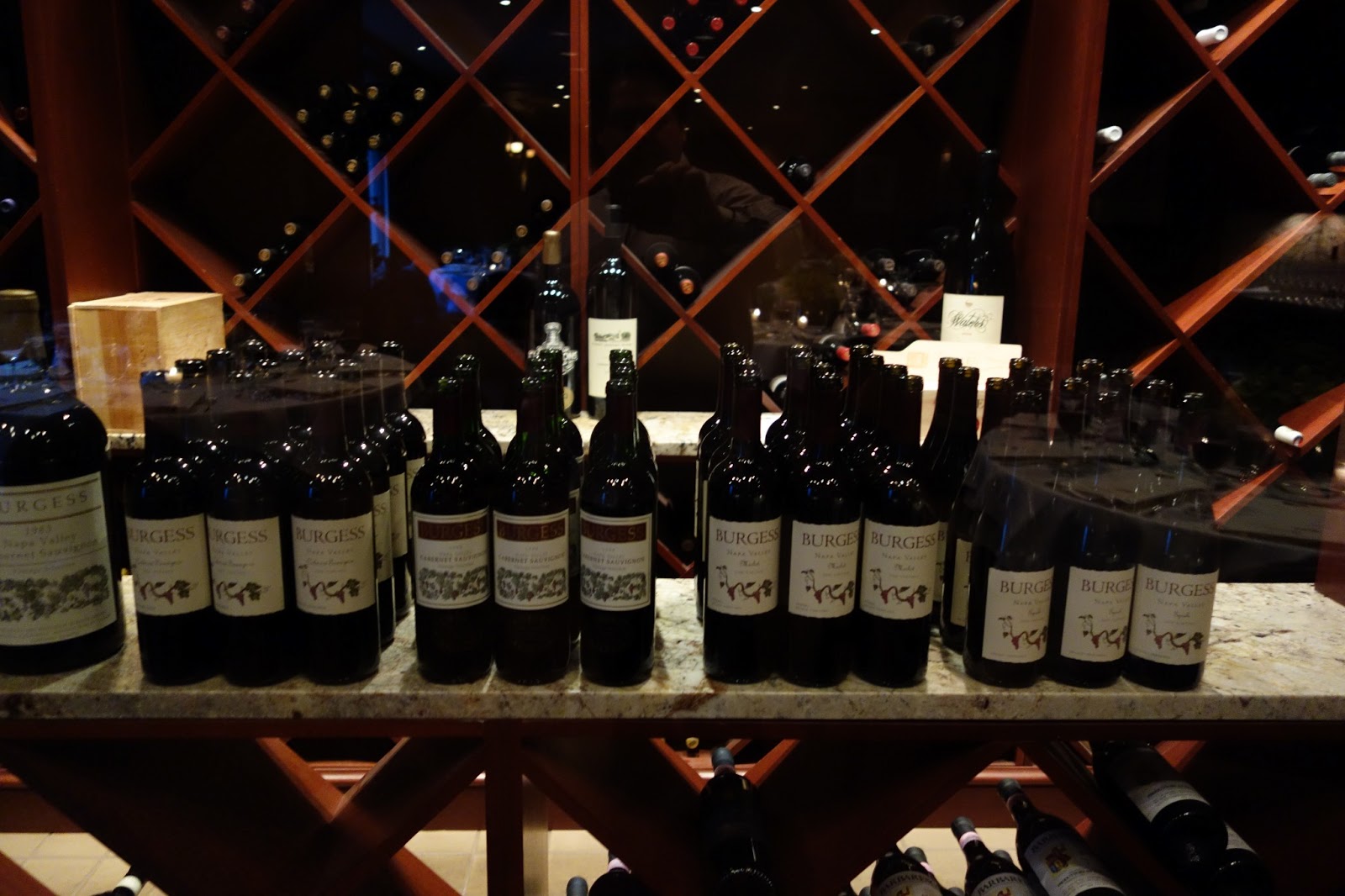
Recently, Grill 23 held a special dinner which was partially in honor of their 30th anniversary, as well as to showcase the wines of Burgess Cellars and Grill 23's ten year relationship with Brandt Beef. I was invited as a media guest to this event and it was well attended, offering a five course meal accompanied by six wines. Both the food and wines were delicious and I had no complaints in the least about the taste or presentation.

The Burgess wines included a 2010 Grenache, a 2008 Syrah, a 2008 Merlot, a 2009 Cabernet Sauvignon, a 1998 Liberty Release Cabernet Sauvignon and a 1983 Cabernet Sauvignon. They were all good wines, and my favorites were the Cabernets. Even the 1983 still possessed lots of life, having aged quite well. Paired with the beef dishes, the wines showed well.

Our first course was a Beef Carpaccio, with mushroom and smoked tongue. The beef was superb, silky smooth and bursting with flavor.

Next up were Pierogi, with beef sweetbreads, cheek confit and caramelized onions. The pasta was cooked just right with an intriguing sauce and a tasty filling, with a blend of earthy and sweet flavors.

The Brisket, made with red wine, sunchoke, carrot and turnip, was incredibly tender, the meat easily falling apart, and its meaty taste appealed to me. The chef did an excellent job with the brisket and I would easily order this again. One of the best briskets I have tasted in some time.

Our next savory course was a Ribeye & New York Strip, with family style sides such as mac n' cheese and tater tots. Once again, the beef was compelling, tender and flavorful, and it is easy to see why many chefs like serving this product to their customers.

Prior to attending the dinner, I researched Brandt Beef, checking out their website and reading other articles about the company. I was left with numerous questions, by what I found and didn't find, and hoped to get some of them answered at the dinner. Eric Brandt, the managing partner at Brandt Beef, attended the dinner and I was fortunate to get a chance during the course of the dinner to ask him a series of questions about their operations. It was an enlightening conversation.

Brandt Beef refers to itself as "The True Natural," a phrase which they have even trademarked. Their website states they are a "premium natural beef producer that is dedicated to sustainable practices." However, the website fails to actually define the term "true natural," instead listing some of their practices, such as choosing not to use antibiotics and hormones. So what is the definition of "true natural"? Would the average consumer believe Brandt Beef is "true natural?"

The USDA defines "natural" beef as: "A product containing no artificial ingredient or added color and is only minimally processed. Minimal processing means that the product was processed in a manner that does not fundamentally alter the product. The label must include a statement explaining the meaning of the term natural (such as "no artificial ingredients; minimally processed"). As you can see, that is a very general definition which says nothing about how the animal is raised. There is no USDA definition for "true natural" beef.

The average consumer probably doesn't even know that the above is the government's definition of "natural." When they see "natural" on a food product, they have a far different idea of what it should entail. As such, food labels such as "natural" and "organic" can deceive the public who fail to understand what they actually entail, which differs from what they expect.

Brandt Beef conforms to the USDA definition, not a tough hurdle, but they go further, choosing not to use antibiotics and hormones, which is admirable. Eric Brandt originated their compost operation, earning the moniker "King Shit" among his family and friends. This manner of handling their waste is another admirable practice, especially considering how other farms have significant problems due to their great waste. In their alfalfa fields, they use ladybugs and owls as more natural means of pest control. Despite these practices, there are still occasions when they feel the need to spray pesticides, which prevents them from becoming an organic farm.

Eric stated that "Being responsible and balanced is the key." An admirable philosophy. Eric also stated that Brandt was a pioneer in raising natural beef, beginning about 20 years ago, foregoing the use of antibiotics and hormones. Because of this pioneering, they consider themselves a "true natural," unlike other "natural" cattle farms which still use those products on their cattle. Under the USDA definition of natural, these farms can still use antibiotics and hormones. However, is this sufficient to earn Brandt the designation of "true natural?"

For a time, Brandt Beef used to raise cattle for other companies, such as Whole Foods, but in 2001 they decided to create their own brand. About 30% of their cattle is now sold under their own name. How many cattle do they raise? Eric asked that I did not report the number of cattle that they raise so I will not do so. I can report though that Brandt is a feedlot operation, and such operations due have their critics and potential problems. The maternal side of the Brandt family is involved in the dairy industry.

What do the Brandt cattle eat? The website mentions that the cattle are fed a diet of alfalfa and corn, though no specifics are given. Eric told me that the diet consists of approximately 15% alfalfa with about 10% sugar beet pulp (not mentioned on their website) and possibly some other ingredients too. Corn is the major ingredient in their diet, and they are fed this diet over the course of a year or so.

There is some disagreement over whether feeding cows corn is natural or not, and there appears to be some scientific evidence that a cow's stomach needs to adjust to large amounts of corn or could potentially have health problems. That requires that corn consumption be regulated to protect the health of the caste. This is partially why some feedlots use antibiotics, to handle illnesses related to corn consumption. Corn is also what brings excellent marbling to beef, and what makes it taste as good as it does.

Now we get to foundation of my issue with Brandt Beef calling themselves "true natural", which centers on their use of corn. I value transparency and honesty, and definitions are extremely important to me. If you wish to make bold statements in your marketing, then you better ensure you live up to them. The average consumer doesn't understand many of the nuances of legal definitions of words such as natural, organic or cage free. They see these terms in the most common way, something marketers understand and use to take advantage of those perceptions.

If you want to be known as "true natural," then I have high expectations for what that should entail. With Brandt Beef, I do not believe they live up to those expectations. The main problem I have with Brandt Beef is that they feed their cows GMO (genetically modified organism) corn. You won't find that fact listed on their website, though I think it should be. It is an issue of great importance to many consumers, as well as a topic of great controversy. Though Brandt purchases a small percentage of non-GMO corn, Eric indicated that it is far more expensive and difficult to obtain.

In an informal poll on Facebook and Twitter, no one believed that beef from GMO corn fed cattle should be labeled as "true natural." I also do not believe that beef from cattle fed GMO corn should be labeled as "true natural." For Brandt Beef to truly be transparent and up-front, they should be informing the public on their website that their cattle are fed GMO corn. The public has a right to know such information.

Currently, the U.S. has about 170 million acres of transgenic crops, especially soy and corn. About 90% of all the corn grown in the U.S. is now GMO corn. Consequently, non-GMO corn is likely more expensive and difficult to obtain. That is not an excuse though to conceal the fact that a company uses GMO corn. GMO crops have been genetically modified to make them more resistant to pests or tolerant of herbicides. Interestingly, the use of GMO crops has increased herbicide use 7% since 1996 due to new herbicide resistant superweeds.

On the other hand, Europe has been very resistant to the use of GMO crops, and the field is heavily regulated. They grow only a small percentage of GMO crops as compared to the U.S. In the U.S., food does not have to be labeled as GMO, and that has become a political hot button topic, indicating the passion of many against GMO food.

There is much skepticism about the safety of consuming GMO food, as well as the effect of feeding GMO crops to animals that end up as food, especially as there are insufficient studies concerning its safety. As foods are not labeled as GMO based, it becomes far more difficult to track and study negative reactions. The American Academy of Environmental Medicine has mentioned some of the potential health hazards of GMO food. Far more studies are necessary to assess the potential dangers. It is clear that many people object to GMO food and don't consider it natural. I find it disingenuous for a company to tout itself as "true natural" when it feeds its cattle GMO corn.

Brandt Beef does plenty that is admirable, and is better than many other cattle operations, however I believe they could and should be better, especially if they want to claim to be "true natural." They should be more transparent in their operations, owning up on their website to their use of GMO corn. And if they truly wish to be "true natural," I believe they should completely end the practice of using GMO corn.

Grill 23 & Bar on Urbanspoon
Read More
Posted in controversy, health, meat, rant, Restaurant, sustainability | No comments

Monday, 18 March 2013

Rant: You're Fat & It Is Your Fault

Posted on 00:00 by Unknown
Face the truth. The reason you are overweight is likely because you eat too much and don't exercise enough.

My Rant is not about those who have actual medical conditions that cause obesity, whether it be glandular or some other legitimate matter. I am addressing only those people for whom being overweight is due to lifestyle choices. Don't blame the soda companies, the candy makers, the cake bakers. Don't blame McDonald's, Burger King or Wendy's. Take personal responsibility for your condition. Own up to the choices you have made and accept your guilt.

Yesterday, I read an editorial in the New York Times called How to Force Ethics on the Food Industry by Michael Mudd, a former executive at Kraft Foods. Mr. Mudd wants the government to intervene "..to protect the public health by limiting the marketing tactics of food companies." Do we really need more government intervention into our lives, limiting our choices? Do we really need more laws?  Mr. Mudd also suggests that the government institute taxes "..on sugared beverages and a few categories — snack foods, candy, sweet baked goods — that most undermine health." Do we really need more taxes?

My main problem with Mr. Mudd's editorial is it seems to absolve people of their personal responsibility for their own actions. Do we want people to start even more lawsuits against the food industry, blaming them for obesity? We already have far too many lawsuits where people try to blame others for their own stupidity or poor choices. I want people to stand up and accept responsibility for their own actions, for eating too much, for not exercising enough. I don't think we need more laws and regulations, but rather more education for consumers.

Interestingly, Mr. Mudd seems to believe education is necessary too, as he wants the taxes on sugary drinks and foods to pay for education programs. He also wants the government to support "community-based campaigns to inform and inspire better eating and more exercise." In the suggestion changes that Mr. Mudd lists in his editorial, none mention banning over-sized drink cups. It is obvious that at its most elemental, Mr. Mudd understands personal choice is at the bottom of the problem, though he would rather cast blame on the food companies.

I want the blame squarely on the people who make the choices which lead to them being overweight. Do food companies try to convince people to make bad choices? Sure, but people should be smart enough to know better. I am overweight, and the responsibility for my condition lies solely on my own shoulders. I eat too much and don't exercise enough. I understand and accept my own culpability and I don't place the blame on anyone else. Why can't everyone else do the same?

If more people accepted personal responsibility for their actions, in all arenas, then the world would be a better place.
Read More
Posted in controversy, health, newspaper, rant | No comments

Monday, 11 March 2013

Rant: Stop Worrying, Seafood is Safe

Posted on 05:00 by Unknown
“Fishes live in the sea, as men do a-land; the great ones eat up the little ones.”
--William Shakespeare

I still see far too many stories in the media warning of the dangers of seafood consumption because of mercury and PCBs. Previously, I tried to show the truth, in my post Eat More Fish! Significant Health Benefits. Yet it seems people still are not listening. They need to stop worrying and embrace seafood because it is safe and the potential health benefits far outweigh any limited risk.

On the first day of the International Boston Seafood Show, I was pleased to see a conference on Debunking the Risk Myths: Seafood's Success Story. The conference was supposed to mention the health benefits of regular seafood consumption as well as to discuss how to educate consumers about the truth. Overall, it was an informative session, supporting my previous facts about seafood health and discussing numerous methods to educate and inform consumers. At the most basic, it is the consumer that needs to be convinced that seafood is safe and healthy, especially considering the often greater cost of seafood.

Dr. Roger Clemens of the USC School of Pharmacy began the discussion and indicated that he had been involved in the creation of the government's Dietary Guidelines. He went over some of the thought processes and analysis that went into the creation of the guidelines concerning seafood. First, determining and defining the questions is the first major step. He provided an acronym, PICO, for the analysis, which means Population, Intervention, Comparison & Outcome. The outcome needs to be clinically relevant, have biological significance and be translated into public policy.

After all of the evidence and analysis, they determined that modest consumption of seafood (about 250-500 mg of EPA & DHA) is associated with a reduced risk of Coronary Health Disease, though increased consumption did not provide any additional benefit. The basic guideline then was a recommendation of two servings (3-5 ounces each) per week of seafood. That amount will differ based on the type of seafood which is consumed, whether it is high or low in Omega-3s. It is best to eat a balanced seafood diet, only rarely eating the accumulator fish, those most prone to mercury/PCBs. He also encourages pregnant women and women who are nursing to eat seafood too, for the health of their baby.

Dr. Michael Morrissey, Director at the Oregon State University Food Innovation Center, started by noting that there is much conflicting evidence concerning the safety of seafood consumption. The key to resolving this problem is proper communication, and science-based information must form that basis. Consumers noted that they like to receive their information from brochures as well as the Internet. He continued to explain the development of the Seafood Health Facts website, which was launched in February 2012.

I have previously explored that website and found it to be an excellent reference for facts on seafood and health. I highly recommend that you check it out, and you can even use it to customize personal guidelines for your own seafood consumption.

Dr. Morrissey also mentioned that the main health risk from seafood is exposure to pathogens, and not mercury of PCBs. That means that basic food safety knowledge is vital when preparing and eating seafood.

Doris Hicks, a Seafood Technology Specialist from the University of Delaware, discussed how to frame the message about seafood. Consumers lack plenty of information about the safety of seafood and they need to learn the truth. She also believes that seafood consumption needs to be personalized for everyone, considering every relevant factor. Are you eating at home or at a restaurant? Did you catch the fish yourself? What type of fish do you eat? How often? What is your condition? And more more questions. All of these questions designed to create the safest plan for your seafood consumption.

Linda Cornish, the Executive Director of the Seafood Foundation, is part of the Seafood Nutrition Partnership, a group dedicated to raising public awareness of the safety of seafood consumption. I chuckled when she announced, "I am not a scientist but I am a nerd." She started by mentioning that heart disease is the #1 killer of women, a major reason why women should be eating seafood. It is the #1 killer overall, taking nearly 600,000 people each year. The U.S. pays a great deal of money every year on health care, including on preventable diseases. That could be saved if more people ate seafood and lowered their chances of coronary health disease.

Just eating eight ounces of seafood each week can reduce your chance of heart disease by 36%. In addition, if women avoid, or eat very little seafood, while they are pregnant, that could have detrimental effects on the health and growth of the child. Why wouldn't you want to eat seafood with such benefits?

Linda further mentioned a study where it was shown that the media writes far more stories about the alleged risks of seafood as opposed to the potential benefits. 90% of the seafood consumed in the U.S. comes from 10 types of seafood, and none of them include those few species which might pose a danger to a pregnant woman, such as swordfish, tile fish, shark and king mackerel. It was also shown in another study that only about 22% of the population eats seafood at least twice a week, the recommended amount.

So many people need to be convinced to eat more seafood and it is a tough battle to convince them that it is safe to do so, especially with the media highlighting the risks, far out of proportion to the actual risk that exists. However, it is a worthy benefit as not only will it help each individual person, but their better health with help our entire society through reduced healthcare costs.

Stop worrying. Seafood is not only safe but it is extremely beneficial.
Read More
Posted in controversy, health, ibss13, rant, seafood | No comments

Sunday, 10 March 2013

SeaShare: Seafood For Hungry Americans

Posted on 18:30 by Unknown
One of the most touching aspects of the International Boston Seafood Show is the Coffee For a Cause, at Booth 2467, where you can buy a cup of coffee and part of the proceeds benefit the SeaShare charity. SeaShare has over 200 affiliates, serving all 50 states, and their primary goal is to alleviate hunger, a most worthy cause.

In January, I posted "Get Off Your Ass And Help The Less Fortunate!", a wake-up call to the food-obsessed to help fight hunger. I have often supported and posted about charitable events that try to help alleviate the problems of hunger. I was not aware of SeaShare until this event but after learning about them, I have much respect for their goals and actions. They seem to be a company worthy of support.

SeaShare is allegedly the only nonprofit organization dedicated to providing seafood to our country's food banks. They attempt to get fishermen, processors, distributors, retailers and others to make contributions toward this effort. Since 1994, the seafood industry, about 120 companies and their associates, has donated approximately 150 million seafood meals through SeaShare, which have been shipped to 80 major food banks in 38 states. Certainly a significant effort.

They also are trying to make as many of their donations as sustainable as possible. Most of the fisheries they deal with are certified sustainable by the Marine Stewardship Council. Their concern is not only with hunger, but also with protecting the environment and stocks of seafood. That elevates them in my eyes even more.

I am also pleased to see that SeaShare understands the great health benefits from seafood and that is partially why they are donating seafood to these food banks, to better the diets of these people. As I have noted before, seafood often is expensive and price is a significant obstacle to consumption. Those experiencing hunger, with limited funds, are much less likely to purchase seafood, yet they too need the health benefits of seafood. SeaShare helps these people reap the benefits when they otherwise would never have done so.

So buy some coffee and help SeaShare, or make some other type of donation to them.
Read More
Posted in Charity, health, ibss13, seafood | No comments

Monday, 4 March 2013

Rant: Get Thee To The Seafood Show!

Posted on 00:00 by Unknown
Seafood is at the crux of some of the most important food issues in the world. The range of seafood topics touches on so many crucial matters, from sustainability to health. Not only is it delicious, but it provides numerous health benefits. It is integral to the economic health of many local businesses, from fishermen to restaurants. The potential extinction of certain fish species is a major concern that needs to be addressed. I have written about many of these issues and soon will have much more fodder for future seafood articles.

This upcoming weekend, March 10-12, the International Boston Seafood Show (IBSS) returns to the Boston Convention & Exhibition Center. This will be my fourth year in attendance and I cannot recommend enough that food writers should check out this show. Last year, I provided a list of Twelve Things You Should Know about the Seafood Show and that provides a good summary of what you can expect at the show. There will be over 1700 booths with a huge diversity of products and services. You will find representatives from all over the world, from Japan to Mexico, Brazil to Vietnam.

For food writers, the key is that "the seafood show is fertile soil for a myriad of story ideas as each exhibit booth has its own unique and interesting story." This is the place to learn about seafood issues, to talk to numerous seafood businesses, to explore the seafood industry. You should find enough stories here to  easily write a dozen articles, if not more. You may also gain sufficient knowledge and information to provide you paths for other seafood stories. In addition, the show is fun, with plenty of tasty seafood samples. As seafood is such a vital subject, why wouldn't you go to this show?

The Seafood Show is held in conjunction with the New England Food Show, where you will find a plethora of food and drink related products and services, from wine to cheese, spirits to locally produced foods. You can easily visit both shows, and the Food Show will give you fodder for even more stories. If you go to both of these shows, you won't be able to complain about writer's block as you won't lack for story ideas.

Go to some of the seafood and food seminars. Sample the countless food and drinks samples that are available. Talk to exhibitors, ask questions and gather information, recipes, booklets and more. Take lots of notes, photos and video.

Why do I care? First, I view our local writers and bloggers as a community and I believe we all benefit by helping each other, giving recommendations for excellent events. Second, I feel that seafood is a vital topic which more people need to write about so that we raise attention to all of its urgent issues. That will benefit all of us in many ways. It is with greater exposure and cooperative efforts that we can cause change in the seafood industry.

So get thee to the seafood show!
Read More
Posted in Boston, controversy, Food Event, health, rant, seafood | No comments

Thursday, 21 February 2013

Thursday Sips & Nibbles

Posted on 00:00 by Unknown
I am back again with a new edition of Thursday Sips & Nibbles, my regular column where I briefly highlight some interesting wine and food items that I have encountered recently. **********************************************************
1) Shake off your funk and revel in the blues with The Beehive’s Blues On Sunday series. The Beehive is bringing you top notch blues complemented by tasty meals and libations compliments of Knob Creek every Sunday night from 8pm-12am. The all-star house blues band is led by 25-year-old musical veteran keyboardist and producer, Bruce Bears and features a core band of legendary players with a revolving door of guests singing, sitting in and getting down.

The Beehive invites guests to share a relaxing Sunday night of great performance with libations from Knob Creek including their Rye Whiskey and Single Barrel Reserve, and dishes from Executive Chef Rebecca Newell such as the Lowcountry Shrimp & Grits ($12), Stuffed Rack of Pork, Bacon, Apple & Brioche Stuffing, Brussels Sprouts, Cider Jus ($24), ‘Fall-Off-The-Bone’ Baby Back Ribs ($13) and the Beehive Prime Burger with Frites, and Slaw ($16).

2) Passion for good food mixed with fun and a dash of education is the inspiration for this spring’s event lineup at Farmstead, Inc. Cheese, wine, whiskey and brunch get the year started off right.

Upcoming events include:

Brunch at Farmstead, Inc.
First Sunday of every month beginning March 3, 10am-2pm
Every month, Farmstead whips up a morning-after spread that’ll knock your bacon-craving socks off. Think boudin noir sausage with biscuits and gravy, fried oysters and poutine, whiskey-brined Rhode Island ham, house-made candied nut granola and corned beef hash, washed down with French-press and Bloody Marys, of course. Reservations are accepted but not required.

Celtic Cheese and Whiskey Class
Sunday, March 10, 4pm-5:30pm
$65 per person
Celebrate St. Patrick’s Day with a blend of the Celtic lands’ best whiskeys and scotches and the cheeses that love them. The Farmstead, Inc. crew talks you through whiskey and cheese pairing basics while you sample Ireland’s finest brown spirits and curds. To reserve a spot, call 401-274-7177 or purchase tickets online at http://www.farmsteadinc.com/shop/classes/31013-whiskey-cheese-class.

Wine + Cheese = Love: A 101 Class
Sunday, April 14, 4pm-5:30pm
$50 per person
To honor the never-fail combination of wine and cheese, Farmstead, Inc. Barman David Magiantine and Cheese Monger Thomas Perry invite friends and fans to sample the pairings that made them fall in love with the worlds of vino and fromage in the first place. Guests are invited to learn the basics of pairings and polish their own palates and preferences. To reserve a spot, call 401-274-7177 or purchase tickets online at http://www.farmsteadinc.com/shop/classes/41413-wine-cheese-love-class.

Can I Eat The Rind? A Cheese 101 Class for the Whole Family
Sunday, May 19, 2pm-3pm
$45.00 per person; $35.00 for those under 21
The world of queso sparks lots of cheesy questions: Why does it stink up the fridge? How long will the cheddar last? Why is this kind orange? Farmstead has the answers to all these and more at their popular Cheese 101 class. The whole family is invited to nibble on a selection of cheeses and sip on some wine (sparkling cider for underage guests), as the mysteries of cheese are demystified. To reserve a spot, call 401-274-7177 or purchase tickets online at http://www.farmsteadinc.com/shop/classes/51913-can-i-eat-rind-cheese-class-whole-family.

3) Cinquecento, a new Roman trattoria, will start serving weekend brunch. Beginning Saturday, February 16, Cinquecento will be open for brunch from 10am-3pm on weekends. Reservations are accepted. Cinquecento is located at 500 Harrison Avenue in Boston's South End. Parking is free.

Cinquecento's inaugural brunch menu will include savory Italian dishes like Uova In Camicia, truffled polenta with poached eggs and Fontina cheese, Bistecca e Uova, grilled steak and eggs with Pecorino biscuits and piquillo pepper marmellata, and Cinquecento's already famous Tagliatelle Bolognese pasta with meat sauce. Indulge your sweet tooth with specialties like Ricotta Crespella, crepes with whipped lemon ricotta and native honey, Ricotta Fritters, Sugar Donuts, and Mela e Taleggio, an apple and Taleggio cheese panino with walnut honey pesto.

Accompany brunch with a selection of craft cocktails such as the Arancia Frizzante, a refreshing blend of blood orange juice, vodka, lime, soda water and mint simple syrup, The Bellini, a classic mix of white peach puree and prosecco and an Italian-inspired Bloody Mary, spiced up with peperoncini chilies.

4) Animal Welfare Approved, Chef’s Collaborative and Let’s Talk About Food will be supporting the Harvard Law School Food Law Society in its second annual food law and policy conference in Cambridge, Mass. on March 8-9. The conference will explore the legal and policy aspects of food labeling and will feature a series of lecturers and panelists who are experts in the field. This is the first law school hosted conference dedicated to examining the issue of food labeling from a legal perspective. Bringing together prominent experts to explore the issue is crucial to students, academics, politicians and thought leaders.

There is a great deal of confusion surrounding the misleading food labels commonly found on meat, eggs and dairy. By exploring the issue with industry experts, both students, consumers and professionals will gain an increased understanding of what is really at stake when it comes to the words we put on foods—whether the words are used for informing the public or for marketing the product. “Labeling is about communicating and the words we use matter. This first-ever conference at Harvard Law School is a terrific opportunity help all of the stakeholders come together and think critically and creatively about how to move food system move forward,” says Louisa Kasdon, founder of Let’s Talk About Food.

Melissa Kogut from Chef’s Collaborative adds, “It’s not enough to take labels at face value. This conference will put a much needed spotlight on a confusing topic and show us which labels to trust (and why) and what questions to ask.” AWA Program Director Andrew Gunther says, “When we heard about the opportunity, we immediately knew this was something we wanted to be involved in. Harvard is seen as a leader and is known for hosting dynamic debates and the best way to seek change is through active dialogue and consensus.”

Event co-sponsors include Animal Welfare Approved, the Harvard Food Law and Policy Clinic, Let's Talk About Food, and the Petrie Flom Center for Health Law Policy, Biotechnology, and Bioethics. Register at http://hlsforumonfoodlabeling.eventbrite.com/#. Admission is free for students with ID, and open to the public for $5 per day of attendance. Visit http://www.hlsforumonfoodlabeling.com/ for more information.

5) Lucia Ristorante Owner Donato Frattaroli introduces exciting additions to Lucia Winchester’s lineup. Together with Executive Chef Pino Maffeo, the two are making Winchester Center a foodie destination this winter. Beginning this February, Lucia Winchester is launching two events: Traditional Lucia Family Dinners and Cooking Classes with Chef Pino and Donato.

With its first installment on Sunday, February 24, the Traditional Lucia Family Dinners are designed to transport guests to Abruzzo, Italy as if they were at the Frattaroli dinner table. For just $20 per person ($15 for children under 12 years old), guests can feast on an authentic Italian dinner composed of century old Frattaroli family recipes. The dinner spread includes: soup or salad, pasta (an option of linguine or penne) with marinara sauce, and a choice of two sides—sausage, meatballs, beef braciolettine, or ribs. The Traditional Lucia Family Dinner menu will be available every Sunday and Monday evening during dinner service throughout the winter.

On Wednesday, February 27, from 6pm-9pm, Lucia is launching its Cooking Classes with Chef Pino and Donato. The first installment of this monthly series is titled, “Mouth-Watering Soups and Stocks: The Building Blocks of World-Class Italian Cooking.” Chef Pino and Donato will give guests hands-on training in the art of mouthwatering soup and stock making. Attendees are encouraged to bring a notebook – during the three-hour cooking course, they will learn the basics of how to make simple stocks (chicken stock and prosciutto broth) and how to incorporate them into world-class tasting soups (pasta fagiole and minestrone soup). They will also discuss bread pairings with Piantedosi breads, including how to choose which breads go best with a variety of meals. The cost of the class is $55 per person.

For more information about these events, please call (781) 729-0515.

6) On March 11, at 7pm, Legal Harborside will team up with Cakebread Cellars’ Director of Sales, Dennis Cakebread, to host a wine dinner at Legal Harborside. This four-plus-course culinary adventure will highlight the best tastes from sea and vine. Cakebread Cellars has vineyard properties located throughout Napa Valley surrounding the production facility in Rutherford where it all began in 1972. Today, the winery owns 13 sites totaling 982 acres.

The menu will be presented as follows:

HORS D’OEUVRES
vol-au-vent, lobster, tarragon, mascarpone
geoduck clam, yuzu marinated melon, virginia ham
pickled sardines, dill crème fraîche, caraway and rye toast
merguez sausage, fennel vinaigrette and apple hash
Cakebread Cellars Chardonnay, Napa Valley, 2010
FIRST COURSE
tuna carpaccio* (bosc pear, wakame, serrano chiles, wasabi aioli and cucumber)
Cakebread Cellars Sauvignon Blanc, Napa Valley, 2011
SECOND DOURSE
grilled shrimp (rosemary, smoked and braised chickpeas, chorizo and roast garlic dust) Cakebread Cellars “Reserve” Chardonnay, Carneros, 2010
THIRD COURSE
cast iron skillet-seared duck breast (red rice, golden rutabaga, preserved walnuts and junipers)
Cakebread Cellars “Benchland Select” Cabernet Sauvignon, Napa Valley, 2009
CHEESE
mountain cheese and dried fruit
Cakebread Cellars Zinfandel, Lake County, 2010

COST: $125 per person (excludes tax & gratuity)
 Reservations can be made by contacting 617-530-9470

7) Maritime Gloucester, a working waterfront museum and marine science education center, will present a series of public lectures in March on the future of fishing and seafood, sustainability, and seafood fraud. Each free lecture takes place at 7pm at Maritime Gloucester, 23 Harbor Loop off Rte. 127 in Gloucester.

Meet the region’s experts on these hot-button topics, and learn how the latest industry changes are affecting both fishermen and consumers. "The public is hungry to better understand these topics, and we are thrilled to bring the conversation to Maritime Gloucester,”" says Executive Director Tom Balf.

Turner’s Seafood is the 2013 sponsor of this unique public information program. Turner’s, a family-owned business, is a partner with Cape Ann Fresh Catch, operates a retail fish market and wholesale fish processing facility in Gloucester, and a restaurant/oyster bar/fish market in Melrose called Turner’s Seafood Grill. Turner’s also sells fish and lobster with overnight delivery.

Schedule of Events:

Thursday, March 7
Fish, Fraud and Forensics
Sheila Jarnes, NOAA (National Oceanic and Atmospheric Administration) and Beth Daley, The Boston Globe
The lead reporter on the Globe’s seafood fraud investigative team, and a NOAA inspection/enforcement official, will describe this emerging concern, and what measures are being taken to address it.
Thursday, March 14
Trawl to Table: Understanding Today’s Groundfisheries
Jen Levin, GMRI (Gulf of Maine Research Institute), and a spokesperson TBA from the Northeast Seafood Coalition
An eye-opening discussion of commercial ground fishing methods, gear technologies, seafood transport, and the seafood needs of discerning markets.
Thursday, March 21
Sustainable Seafood Choices
Allison McHale, NOAA Fish Watch, and Heather Tausig, New England Aquarium’s Ocean-Friendly Seafood Program
Sustainable seafood purchases are a lot easier to make, thanks to these two consumer-oriented programs. A must for anyone who cares about our oceans’ renewable resources.
Thursday, March 28
Seafood Restaurant Crawl
various eateries throughout greater Gloucester. See http://www.maritimegloucester.org OR http://www.turners-seafood.com for further information
Read More
Posted in Boston, brunch, California Wines, cooking, health, italian cuisine, law, music, Restaurant, Rhode island, seafood, sustainability, Winchester | No comments

Friday, 25 January 2013

Health Benefits of Sake

Posted on 01:00 by Unknown
It has been brutally cold for the last couple days and people have been warned that drinking alcohol will not keep them warm. However, is that fully true? A Japanese doctor, Yukio Takizawa, disagrees when it comes to Sake. "Recent studies have shown that moderate consumption of sakƩ can maintain our body temperature in the cold. During acute exposure to a cold environment sakƩ may prove advantageous by increasing blood circulation and heat production."

Though Dr. Takizawa does not differentiate whether he is referring to cold or warm Sake, it is common for the Japanese to drink warm Sake during the winter. Kanzake is the general term for warmed Sake though there are several specific terms for Sake served at various heated temperatures. The first written references to warmed Sake are from the early 10th century and it was not until the early 17th century that drinking warmed Sake during the winter became commonplace. Interestingly, around the start of the 18th century, the Japanese started drinking warm Sake year round.

Why did the Japanese drink warmed Sake? It is thought that the primary reason may be for their health. The Chinese had drank warmed alcohol for a long time before the Japanese and they had health traditions that drinking warmed beverages were better for your health. During the early 18th century, Kaibara Ekiken, an influential samurai, physician, scientist and philosopher, wrote a book promoting the idea that warm Sake improves the circulation of one's life energy.

The health benefits of Sake extend well beyond protection from the cold. "Consuming sakƩ in moderation has been hailed in Japan since ancient times as a healthy practice that delivers good health, longevity and excellent skin tone." Though you might want to dismiss that as primitive folklore with little basis in reality, recent scientific studies have provided a solid foundation for these beliefs. "In light of the best current medical knowledge, moderate sakƩ consumption is good for liver health, effective in preventing most forms of cancer, enables good blood flow, and reduces stress." Dr. Takizawa also stated: "SakƩ too offers a number of particular health benefits, including increased HDL (or the good) cholesterol, thus preventing heart attacks, strokes and other health problems. Furthermore, sakƩ contains many naturally occurring nutrients." Sake can even help you sleep better. "Moderate consumption of sakƩ is known to reduce REM sleep and increase the non-REM or deep sleep, therefore helping to make for more restful sleep."

All of the above quotes can be found in Dr. Takizawa's compelling book: Sake, Health and Longevity (Veronica Lane Books, May 2011). This short, but fascinating, book details a myriad of health benefits, based on numerous studies, provided by Sake. You can read this book to learn more detail about the general health statements I quoted above. Besides the health benefits, it also provides basic information about Sake production, Sake types and pairing Sake with food. It is a great starting point for learning more about Sake and raises many intriguing points that deserve follow up and exploration. Sake is delicious but it also appears to be good for you, providing another important reason for everyone to check it out.

"In fact, an ancient Japanese saying reminds the gourmet ”to drink sake, not to get drunk by it.”
Read More
Posted in Book reviews, health, Sake | No comments
Older Posts Home
Subscribe to: Posts (Atom)

Popular Posts

  • Tuscan Market: One Stop Shopping & Cafe
    Many of us would love to be able to easily purchase fresh baked bread, fresh local produce, artisan cheese, meats, seafood, fresh pasta, win...
  • Rant: Rushing To Judge A New Restaurant
    As soon as a hot, new restaurant opens, there is a rush for food bloggers and online reviewers to dine there and immediately report back. Ti...
  • Rant: Outraged By Sake Prices At Restaurants
    We often hear complaints about the outrageous prices  of wine sold at many restaurants. Some places charge three, four or even fives times t...
  • Rant: Where Is The Roast Chicken Love?
    1990 was a pivotal year in the battle of beef versus chicken . It was the first year that Americans ate more chicken than beef, and that has...
  • Rant: Post-Labor Day Wine Advice
    With today as Labor Day , it is seen by many people as a signal of the end of summer, despite the fact that the official end is not until Se...
  • Rant: Beware The Self-Proclaimed Expert
    I am very tired of self-proclaimed wine experts, gurus, ninjas and whatever whose actual knowledge is lacking. This is obviously not a prob...
  • Heirloom Flavor: From a Dragon's Tongue to a Nebraska Wedding
    " Fresh ingredients--especially heirlooms--packed with flavors are the hallmark of great cuisine ." ( Howard, p.7 ) The quality of...
  • Rant: Wine Blog Awards, Sexism & More Questions
    Last week's Rant created a stir of discussion, in the comments, on Twitter, Facebook and in emails. I questioned the reason why so few ...
  • Taste Camp: The Wine Industry of Quebec (Part 1)
    Exploring emerging wine regions is always a fascinating endeavor even if their wines are not readily available outside of that region. It is...
  • Thursday Sips & Nibbles
    I am back again with a new edition of Thursday Sips & Nibbles, my regular column where I briefly highlight some interesting wine and foo...

Categories

  • 2011 (8)
  • 2012 (9)
  • 2013 (2)
  • alabama (1)
  • alaska (1)
  • alcohol (1)
  • allergy (1)
  • alsace (3)
  • Andover (3)
  • animal (1)
  • anniversary (1)
  • Argentina Wines (10)
  • Arlington (11)
  • armenia (1)
  • art (4)
  • Australia Wines (2)
  • austria wines (5)
  • author (12)
  • award (2)
  • Bacon (1)
  • Bakery (15)
  • bar (1)
  • bbq (3)
  • beauty (1)
  • Bedford (2)
  • beer (19)
  • biodynamic wine (1)
  • biography (1)
  • blogging (35)
  • Book reviews (30)
  • book store (3)
  • Boston (165)
  • bourbon (11)
  • braintree (2)
  • brazil wines (1)
  • brazilian (1)
  • breakfast (2)
  • brewery (6)
  • brighton (1)
  • Brookline (9)
  • brunch (15)
  • Burlington (3)
  • business (1)
  • butcher (4)
  • California Wines (20)
  • Cambridge (29)
  • canada (8)
  • Canada Wines (7)
  • candy (3)
  • cape cod (6)
  • cape verde wines (1)
  • casino (7)
  • caviar (1)
  • celebrity (2)
  • champagne (11)
  • Charity (33)
  • cheese (23)
  • chef (27)
  • chianti classico (10)
  • children (2)
  • Chile (2)
  • Chile Wines (2)
  • china (6)
  • chinatown (3)
  • chinese cuisine (8)
  • chocolate (1)
  • christmas (3)
  • cider (8)
  • cocktails (47)
  • colorado (2)
  • concord (10)
  • conference (9)
  • Connecticut (12)
  • consumers (2)
  • contest (8)
  • controversy (97)
  • cookbooks (5)
  • cooking (15)
  • cuba (1)
  • cyprus wines (1)
  • dance (1)
  • Danvers (2)
  • dessert wine (1)
  • desserts (21)
  • diet (2)
  • dining service (1)
  • discount (1)
  • distillery (14)
  • dlw13 (1)
  • donuts (1)
  • dorchester (16)
  • easter (6)
  • Eating Habits (2)
  • ebook (6)
  • ethics (3)
  • ethiopia (1)
  • farming (10)
  • father's day (1)
  • fiction (11)
  • finger lakes (2)
  • florida (1)
  • Food (4)
  • Food Event (8)
  • Food Market (12)
  • food news (2)
  • food processing (2)
  • food safety (4)
  • food truck (1)
  • France (3)
  • France Wines (19)
  • fruit (7)
  • Games (2)
  • gardening (1)
  • georgia wines (1)
  • gin (1)
  • glasses (1)
  • grapes (4)
  • Greece Wines (1)
  • guest post (1)
  • health (21)
  • history (34)
  • holiday (46)
  • hotel (2)
  • Hungary Wines (3)
  • hybrid (2)
  • ibss12 (14)
  • ibss13 (13)
  • Ice Cream (5)
  • ice wine (2)
  • iceland (1)
  • interview (5)
  • ipswich (4)
  • ireland (2)
  • italian cuisine (43)
  • Italy (19)
  • Italy Wines (38)
  • jamaica plain (1)
  • japanese (70)
  • kentucky (12)
  • korea (1)
  • law (13)
  • legend (9)
  • lincoln (6)
  • liqueur (1)
  • local wine (2)
  • los angeles (1)
  • louisiana (2)
  • louisville (7)
  • lynnfield (1)
  • madeira (1)
  • magazine (16)
  • Maine (2)
  • Malbec (1)
  • Malden (1)
  • mallorca (1)
  • mardi gras (2)
  • Massachusetts (4)
  • Massachusetts Wines (6)
  • mead (5)
  • meat (23)
  • Medford (6)
  • melrose (3)
  • mexican cuisine (16)
  • mexico wine (3)
  • mezcal (1)
  • milk (2)
  • milton (1)
  • mississippi (1)
  • montreal (2)
  • mothers day (1)
  • music (4)
  • natick (1)
  • needham (3)
  • new england (2)
  • New Hampshire (17)
  • new year's eve (10)
  • New York (3)
  • New York City (3)
  • New York wines (1)
  • New Zealand Wines (1)
  • newburyport (1)
  • newport (1)
  • news (1)
  • newspaper (7)
  • newton (9)
  • North Andover (16)
  • north end (12)
  • nova scotia (5)
  • Oregon (2)
  • Oregon Wines (6)
  • organic food (1)
  • organic wine (2)
  • paso robles (3)
  • peruvian cuisine (1)
  • phillipines (2)
  • pinotage (2)
  • pisco (1)
  • Pizza (2)
  • pork (3)
  • port (13)
  • portland (1)
  • portsmouth (6)
  • Portugal (6)
  • Portugal Wines (19)
  • poultry (1)
  • providence (1)
  • provincetown (5)
  • quebec (5)
  • rant (97)
  • Reading (1)
  • Recipe (11)
  • Restaurant (198)
  • restaurant going (8)
  • restaurant reviews (65)
  • Rhode island (4)
  • rose (7)
  • rum (11)
  • Sake (61)
  • Sake Reviews (15)
  • salem (2)
  • salmon (4)
  • sandwich (5)
  • science (10)
  • scotland (4)
  • seafood (72)
  • Seattle (1)
  • sherry (10)
  • shochu (1)
  • shopping (3)
  • social media (1)
  • soda (2)
  • Somerville (13)
  • South Africa Wines (7)
  • spain (8)
  • Spain Wines (18)
  • sparkling wines (6)
  • spirits (42)
  • sports (4)
  • st. patrick's day (4)
  • steakhouse (12)
  • sudbury (1)
  • sushi (5)
  • sustainability (61)
  • sweden (1)
  • tastecamp (5)
  • tea (6)
  • television (4)
  • tequila (2)
  • texas (1)
  • thai (2)
  • thanksgiving (9)
  • theater (2)
  • top ten (14)
  • toronto (1)
  • travel (8)
  • twitter (1)
  • united states (1)
  • Uruguay Wines (1)
  • valentine's day (5)
  • vegetables (3)
  • vermont (4)
  • virginia (1)
  • virginia wines (1)
  • vodka (8)
  • Wakefield (1)
  • walpole (2)
  • watertown (1)
  • wayland (1)
  • wbc (3)
  • west concord (1)
  • westwood (1)
  • whiskey (19)
  • Winchester (14)
  • Wine (3)
  • Wine Education (19)
  • wine event (14)
  • wine importers (1)
  • wine marketing (11)
  • Wine news (3)
  • wine pairings (15)
  • wine personality (1)
  • Wine Prices (5)
  • Wine Reviews (68)
  • wine sales (13)
  • Wine Stores (23)
  • Wine tasting (11)
  • wine writing (1)
  • winemaker (4)
  • winemaking (6)
  • wineries (5)
  • winery (21)
  • Woburn (3)
  • women (3)

Blog Archive

  • ▼  2013 (171)
    • ▼  September (5)
      • Why Are You Fat?
      • Thursday Sips & Nibbles
      • Heirloom Flavor: From a Dragon's Tongue to a Nebra...
      • Papa's Pilar Rum: What Would Hemingway Do?
      • Rant: Post-Labor Day Wine Advice
    • ►  August (19)
    • ►  July (18)
    • ►  June (19)
    • ►  May (19)
    • ►  April (20)
    • ►  March (32)
    • ►  February (20)
    • ►  January (19)
  • ►  2012 (283)
    • ►  December (21)
    • ►  November (23)
    • ►  October (30)
    • ►  September (17)
    • ►  August (26)
    • ►  July (23)
    • ►  June (19)
    • ►  May (21)
    • ►  April (20)
    • ►  March (34)
    • ►  February (26)
    • ►  January (23)
  • ►  2011 (46)
    • ►  December (27)
    • ►  November (19)
Powered by Blogger.

About Me

Unknown
View my complete profile